Introduction
Australia is renowned for its abundant biodiversity, especially when it pertains to reptiles. Among these remarkable animals, the Eastern Tiger Serpent ( Notechis scutatus) sticks out as a result of its striking appearance and powerful poison. Located primarily in southeastern Australia, this species has actually interested both herpetologists and laid-back observers alike. In this detailed guide, we will look into the qualities of the Eastern Tiger Snake, discover their habitat, habits, and diet, and share necessary security tips for any individual who might experience them.
As we go across via the subtleties of the Eastern Tiger Serpent's life, we'll likewise go over vital subjects such as serpent bite first aid and View website prevention techniques. With serpent attacks being a significant worry in Australia, equipping on your own with understanding can imply the difference in between safety and risk. Twist up as we embark on this enlightening journey.
Exploring the Eastern Tiger Serpent: Features and Safety Tips
1. Summary of the Eastern Tiger Snake
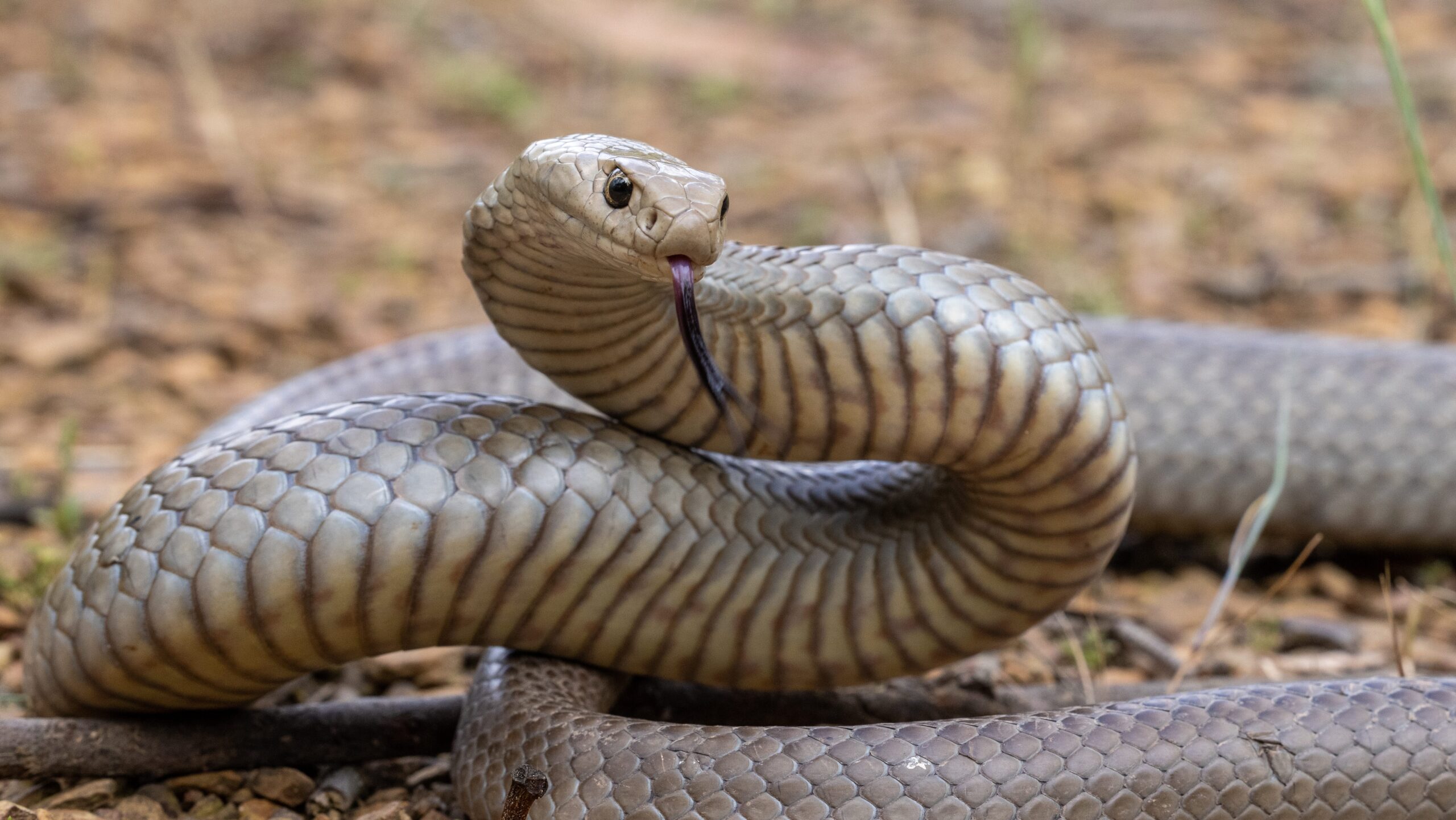
The Eastern Tiger Snake is an extremely poisonous snake that comes from the Elapidae family. Defined by its unique banding pattern that resembles a tiger's stripes, this types showcases a range of colors from olive-green to black or even brownish hues.
1.1 Physical Characteristics
Tiger serpents are tool to large-sized snakes that generally reach lengths of 1.2 to 2 meters (4 to 6.5 feet). Their durable bodies are complemented by a flattened head that Behavior of venomous snakes makes them quickly recognizable to name a few snakes.
1.2 Poison Composition
The venom of an Eastern Tiger Snake is mostly neurotoxic. This indicates it green tree snake can affect the nerve system and result in paralysis if left untreated. Fortunately, antivenom is offered in Australia for those unfavorable sufficient to be bitten.
2. Habitat of the Eastern Tiger Snake
Understanding where these snakes thrive can help in avoiding experiences and valuing their duty in the ecosystem.
2.1 All-natural Habitat
Eastern Tiger Snakes prefer coastal areas, marsh areas, and meadows. They are often found near freshwater resources like swamps and rivers.
2.2 Geographical Distribution
This types is mainly situated in southeastern Australia, including parts of Tasmania where they are often referred to as Tasmanian tiger snakes.
3. Behavior Patterns
3.1 Diurnal vs Nocturnal Activity
While some tiger snakes may display nighttime actions during warmer months, they are mainly diurnal creatures that quest throughout daylight hours.
3.2 Defensive Mechanisms
When endangered, tiger snakes might show aggressive habits by coiling back or hissing loudly before striking if prompted further.
4. Diet of the Eastern Tiger Snake
Tiger serpents have a diverse diet regimen mostly including small creatures, birds, amphibians, and other reptiles.
4.1 Searching Techniques
They utilize ambush strategies coupled with quick strikes to capture unsuspecting victim-- a remarkable feat given their size!
5. Are Tiger Snakes Venomous? Understanding Their Danger Level
Yes! The eastern tiger snake is indeed venomous; nonetheless, not all attacks cause envenomation (the shot of poison). Understanding regarding their danger degree is essential for anyone who frequents their habitat.
6. Emergency Treatment for Snake Bites: An Essential Skillset
If a person is bitten by a tiger snake or any other varieties:
- Remain tranquility; panic exacerbates symptoms. Call emergency situation solutions immediately. Apply a pressure plaster above the bite site.
Knowing just how to react immediately can save lives!
7. Typical Misconceptions Concerning Tiger Snakes Debunked
Misunderstandings concerning tiger serpents abound-- let's deal with some common misconceptions:
- Myth: All serpents are aggressive. Fact: Lots of snake types choose evasion over confrontation. Myth: A completely dry bite suggests no danger. Fact: Constantly seek medical focus despite symptoms!
8. Security Safety Measures When Experiencing Snakes
Awareness is your ideal defense versus unwanted encounters with tiger serpents:
- Stay vigilant while hiking or going through understood habitats. Avoid tall grass where presence might be limited. Wear suitable shoes when checking out all-natural areas.
9. What To Do If You Come Across an Eastern Tiger Snake?
Stay calmness! Slowly pull back without making sudden activities-- it's crucial not to prompt the pet further.
10. Infant Tiger Snakes: The Young Ones' Journey
Juvenile tigers normally exhibit different coloration than adults yet preserve comparable patterns that provide camouflage against predators and ecological threats.
10.1 Developmental Stages
These child serpents arise after about two months' pregnancy from eggs laid by ladies-- a remarkable transition into independence!
11. The Role of Conservation in Protecting Serpent Species
With urban growth encroaching upon all-natural habitats, preservation efforts are vital for maintaining healthy and balanced populaces of eastern tiger snakes-- and all wildlife!
Frequently Asked Questions
FAQ 1: Are all tiger snakes deadly?
While eastern tiger serpents have potent venom capable of triggering severe damage or death if unattended, not every experience leads to a bite or envenomation.
FAQ 2: Exactly how can I identify an eastern tiger snake?
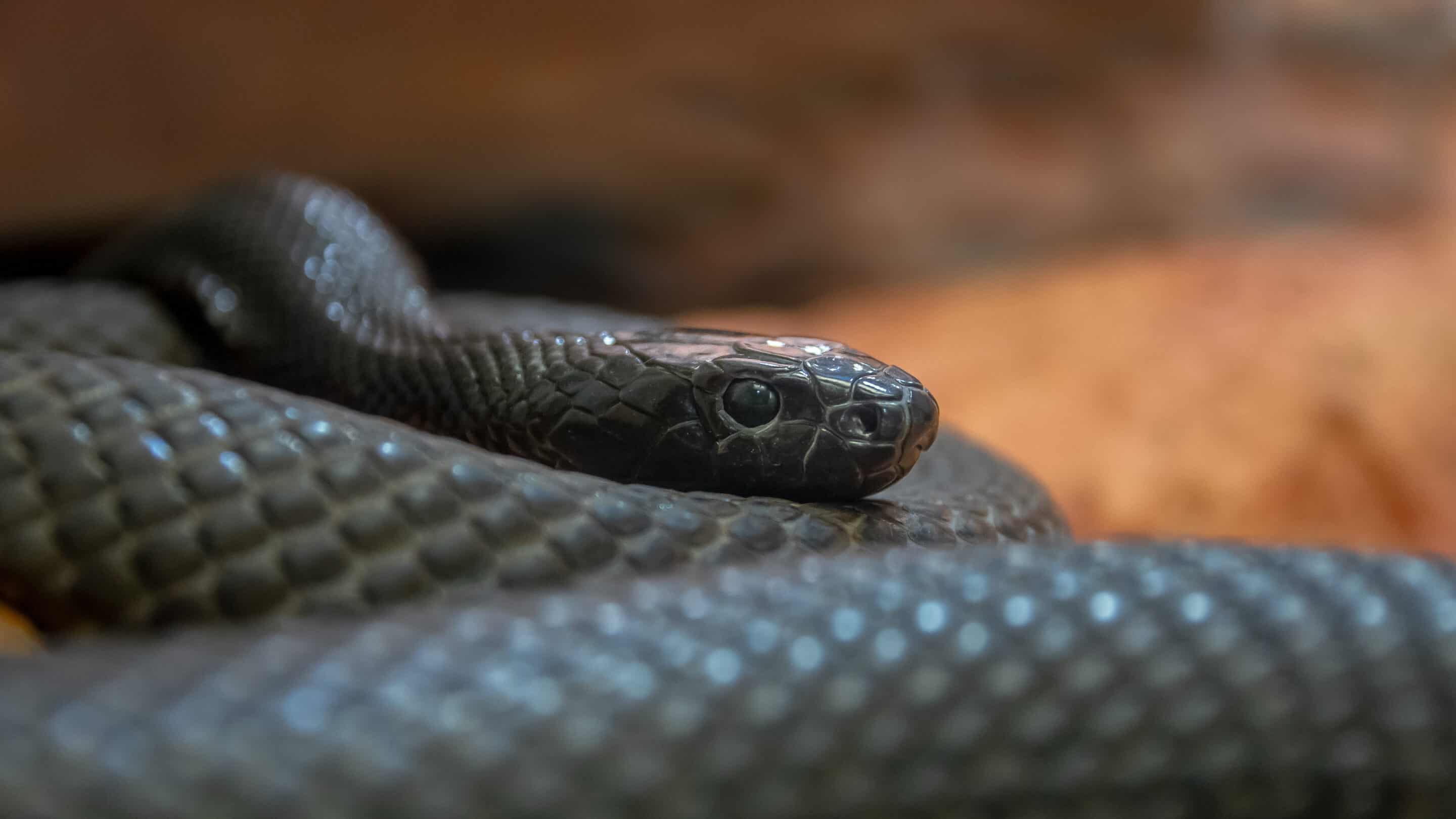
Look for distinct stripe patterns combined with pigmentation varying from olive-green to black; they additionally have flat heads characteristic of elapids!
FAQ 3: What must I consist of in my snake bite first aid kit?
Essential items consist of stress bandages, sterilized gauze pads for injury treatment, disinfectant wipes/solutions like alcohol swabs along with emergency contact numbers!
FAQ 4: Just how frequently do tiger snakes breed?
Typically reproducing takes place throughout springtime when temperatures increase-- ladies may lay between 20-30 eggs per clutch depending on ecological conditions!
FAQ 5: What makes Tasmania's tiger snake unique?
Tasmanian tigers have a tendency toward bigger sizes contrasted to mainland equivalents; their shade variants range commonly across various geographical areas too!
FAQ 6: Can you securely relocate a snake discovered on your property?
It's advisable not to attempt self-relocation as improper handling may prompt them-- contact regional wild animals authorities rather for assistance!
Conclusion
In summary, checking out the eastern tiger serpent reveals much concerning among Australia's a lot of fascinating reptiles-- from its striking physical functions down to its vital duty within environments along with prevalent safety and security considerations concerning possible encounters with human beings! Understanding concerning this varieties fosters respect while making certain risk-free experiences ought to one cross courses with these spectacular creatures out in nature-- because understanding absolutely equips us all!