Introduction
When it comes to poisonous serpents, Australia is home to some of the most fascinating and unsafe species worldwide. Among these, the Tiger Snake stands out not just for its powerful venom yet also for its interesting actions. Recognizing the actions of poisonous serpents like the Tiger Snake is critical for Endangered venomous snakes Australia both wild animals fanatics and those residing in locations where these serpents exist. This short article delves into different aspects of Tiger Serpent behavior, environment, recognition, precaution, and emergency treatment practices in case of a snake bite.
Understanding the Actions of Venomous Snakes Like the Tiger Snake
The Tiger Snake, clinically known as Notechis scutatus, is well-known for its hostile nature when threatened. These serpents exhibit a range of habits that can be fairly different from their non-venomous counterparts.
Characteristics of Tiger Snakes
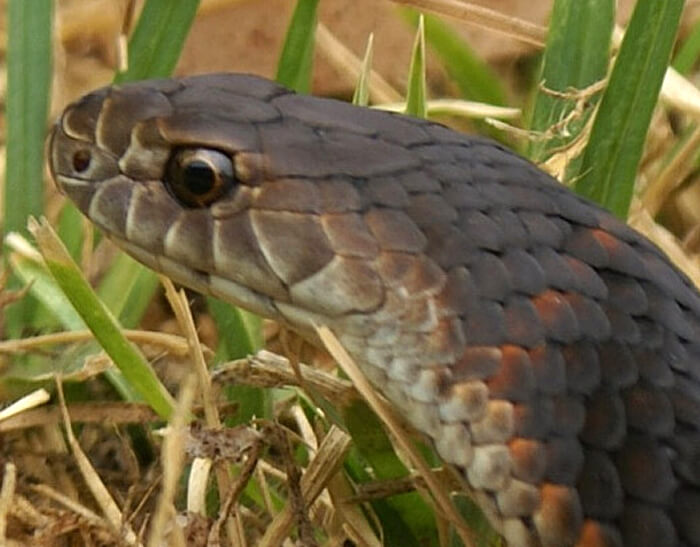
The Tiger Snake is easily identifiable due to its distinctive bands or stripes that resemble a tiger's markings. They can differ in color from yellowish-brown to dark olive or black. This coloration offers not only as camouflage but likewise as a warning signal to potential predators.

Adaptability to Environment
One amazing facet of their actions is their versatility to numerous settings. Discovered mostly in seaside areas, marshes, and wetlands across Australia and Tasmania, they can prosper in varied habitats consisting of metropolitan areas.
Hunting Techniques
Tiger Snakes are ambush killers mostly preying on fish, frogs, and tiny creatures. They possess keen vision and a severe sense of smell which helps them in situating prey effectively.
Venom Composition
Their poison consists of neurotoxins that affect the nervous system, leading to paralysis or fatality in smaller sized pets. For people, prompt medical focus is vital after a tiger snake bite because of its potentially deadly effects.
Natural Environment of Tiger Snakes
Preferred Locations
Understanding where these snakes reside sheds light on their behavior patterns. The tiger snake habitat consists of:
- Coastal regions Swamps Grasslands Urban areas with plentiful water sources
Seasonal Movements
During warmer months, Tiger Snakes are more active as they bask in sunshine or search for food. In contrast, chillier months see https://postheaven.net/rewardfrcb/your-go-to-guide-for-snake-bite-first-aid-kits-6xxr them retreating right into hibernation sites.
Are Tiger Snakes Venomous?
Yes! The question "are tiger snakes poisonous?" typically occurs amongst those not familiar with this varieties. Their venom is considered among the deadliest among all You can find out more snake types worldwide.
Symptoms of a Tiger Snake Bite
If bitten by a tiger snake, symptoms may include:
- Localized pain Swelling at the bite site Nausea and vomiting Sweating and confusion
Immediate clinical aid is important as neglected bites can lead to severe health complications or even death.
First Aid for Serpent Bites: Quick Reaction Guide
Knowing just how to carry out emergency treatment for a serpent bite could save a person's life. Below's what you should do:
Step 1: Remain Calm
Keeping tranquility helps slow down heart rate which lowers poison spread.
Step 2: Paralyze the Affected Area
Keep the affected arm or leg still and below heart degree if possible.
Step 3: Call Emergency Services
Always look for specialist medical help instantly after a snake bite.
First Help for Snake Bite Kit Essentials
A well-equipped snake bite emergency treatment kit need to include:
- A compression bandage Antiseptic wipes A pair of scissors An ice bag
Safety Safety measures: Stopping Snake Bites in Australia
Awareness Programs
Educating areas concerning neighborhood snake varieties and their habits can substantially lower experiences causing bites.
Avoiding Unsafe Areas
Staying away from lengthy lawn throughout warmer months lessens contact with serpents that may be relaxing or hunting.
Common False impressions Concerning Tiger Snakes
Many people believe mistaken beliefs regarding the habits of tiger snakes result in unneeded fear. Below are some explanations:
Myth 1: All Tigers Are Aggressive
Not all tiger snakes will show hostility if left uninterrupted; numerous like running away instead of confrontation.
Myth 2: They Chase Humans
Tiger snakes do not proactively chase people; they might strike when they really feel endangered however will usually pull back if offered space.

Conservation Initiatives Associated with Venomous Snakes
Conservation initiatives concentrate on informing areas concerning securing neighborhood wildlife while decreasing human-snake interactions.
Importance of Ecosystems
Understanding that venomous snakes play a necessary duty in keeping environmental equilibrium aids foster admiration instead of concern in the direction of them.
FAQs Concerning Tiger Snakes
What should I do if I come across a tiger snake?- Maintain distance and gradually back away without abrupt movements.
- While bites aren't very common as a result of understanding efforts, they still take place yearly within Australia.
- Baby tiger snakes can supply complete doses of poison regardless of being smaller; thus care is recommended around them.
- They mainly eat frogs, fish, small creatures like rats, and various other reptiles.
- It's illegal in most territories without correct licensing due to security concerns regarding their venom.
- Wear sturdy boots and remain on significant tracks; look before placing hands or feet right into hidden areas like rocks or logs.
Conclusion
Understanding the behavior of poisonous serpents like the Tiger Snake not only enhances our understanding but additionally promotes safety and security awareness among those living near their environments. From recognizing their features, understanding first aid procedures adhering to a bite, via engaging conservation efforts-- every aspect plays a crucial function in promoting conjunction with these remarkable reptiles while appreciating their location within our ecosystem.
As we deepen our understanding through education and experience, we contribute favorably toward making sure both human security and wild animals conservation-- profiting all parties involved!